Sea Turtle Nesting Season along 30A in Blue Mountain Beach - How You Can Help
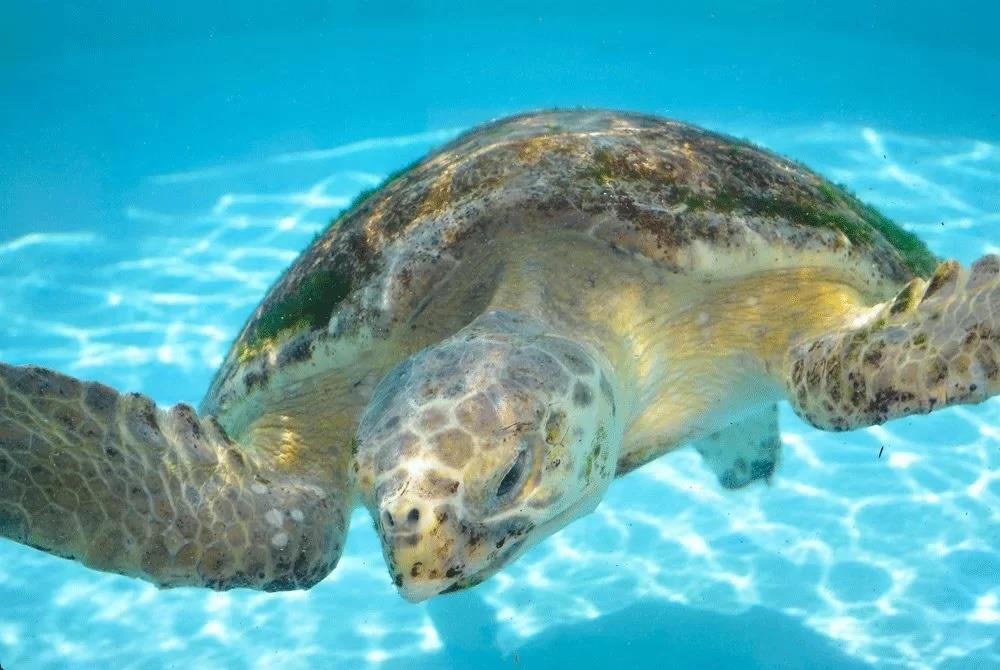
Every year, the beaches of South Walton and 30A transform into one of Florida’s most important wildlife nurseries. Sea turtle nesting season (May - November) brings thousands of threatened and endangered sea turtles ashore to lay their eggs in the soft, white sands of Blue Mountain Beach. For locals and visitors, it’s a rare chance to witness a natural wonder and a responsibility to help protect it.
What Is Sea Turtle Nesting?
Sea turtle nesting is the process where female sea turtles crawl onto the beach at night to dig nests and lay eggs. According to the Florida Fish & Wildlife Conservation Commission (FWC), nesting begins on the Gulf Coast and North Florida beaches in May, and each female lays multiple nests per season, depositing around 100 eggs per nest. After about 60 days, hatchlings emerge and instinctively crawl toward the brightest horizon, ideally, the moonlit Gulf.
Why 30A Is Critical for Sea Turtles
30A’s coastline provides essential nesting habitat for several threatened and endangered species, including Green Sea Turtles, Loggerhead Sea Turtles, and the rare, Leatherback Sea Turtles. The region’s protected dunes, low‑rise development, and conservation‑minded communities make it one of the safest stretches of beach for nesting turtles in the Florida Panhandle. Local organizations such as South Walton Turtle Watch and Friends of South Walton Sea Turtles identify & mark nests, monitor nests daily, document hatch success, and educate the public.
The Biggest Threats to Nesting Turtles
FWC identifies several human‑related risks that can cause nest failure or disorient hatchlings:
-
Artificial lighting that draws turtles away from the ocean
-
Beach obstacles such as chairs, toys, and deep holes
-
Trash and food scraps that attract predators
-
People approaching too closely, causing nesting turtles to abandon their attempt
All of these behaviors can significantly reduce nesting success.
How You Can Help Protect Sea Turtles on 30A
Keep Beaches Clean, Dark & Flat
Clean: Leave No Trace
- Before Sunset, remove everything you brought to the beach, including chairs, tents, toys, coolers and beach gear.
- Remove all trash and food scraps that can attract predators.
- FWC urges visitors to stash or recycle all trash and properly dispose of fishing line, which can entangle wildlife.
Dark. Lights can disorient both nesting turtles and hatchlings. FWC recommends:
-
Turning off balcony, porch, and interior lights visible from the beach
-
Closing curtains after dark
-
Using turtle-safe flashlight covers and infrared light when walking along the beach at night
Flat: Fill in any holes and flatten sandcastles—these can trap both nesting turtles and hatchlings.
Support Local Conservation Groups
You can get involved by:
-
Visiting the Gulfarium, meeting the sea turtle ambassadors & learning about the local CARE program
-
Donating to local turtle organizations
-
Volunteering for beach cleanups
-
Sharing awareness on social media
Local groups such as South Walton Turtle Watch and Friends of South Walton Sea Turtles offer community programs and volunteer opportunities.
southwaltonturtlewatch.org
friendsofswseaturtles.org
What to Do If You See a Nest or Hatchlings
-
Stay at least 50 feet away from any nesting turtle. If she stops, turns, or changes behavior, you’re too close.
-
Do not touch hatchlings or nests. It is illegal to disturb nesting turtles, their nests, or hatchlings.
-
Do not use flash photography.
-
Do not shine flashlights directly on turtles. Use turtle-safe flashlight covers and infrared lights at night.
-
Call FWC’s Wildlife Alert Hotline if you see a turtle in distress:
1‑888‑404‑FWCC (3922)
Why Your Actions Matter
Every nest on 30A represents decades of survival; sea turtles don’t reach maturity until around 25–30 years old. The hatchlings you protect today may return to 30A’s beaches decades from now to lay their own nests.
By keeping beaches clean, dark, and safe, you play a direct role in protecting one of the Gulf Coast’s most iconic species.
Still Looking for the Perfect Spot on 30A?
If you’re still searching for the ideal retreat for your 30A vacation, Sanctuary at Redfish offers the serenity, natural beauty, and resort‑style comfort that make every day on the coast unforgettable. Browse our spacious lakeside and Gulf‑view condos, choose the one that fits your travel style, and book direct with Newman‑Dailey for the best rate and exceptional local service. Reserve your stay online or call our friendly vacation specialists at (850) 837‑1071 between 9AM and 5PM CST. Booking direct always ensures our best rate guarantee. Your perfect 30A escape is waiting.
See you @ the beach!
Published on Monday, June 22, 2026